


Adolescent TMS in Focus: Real Stories, Real Impact
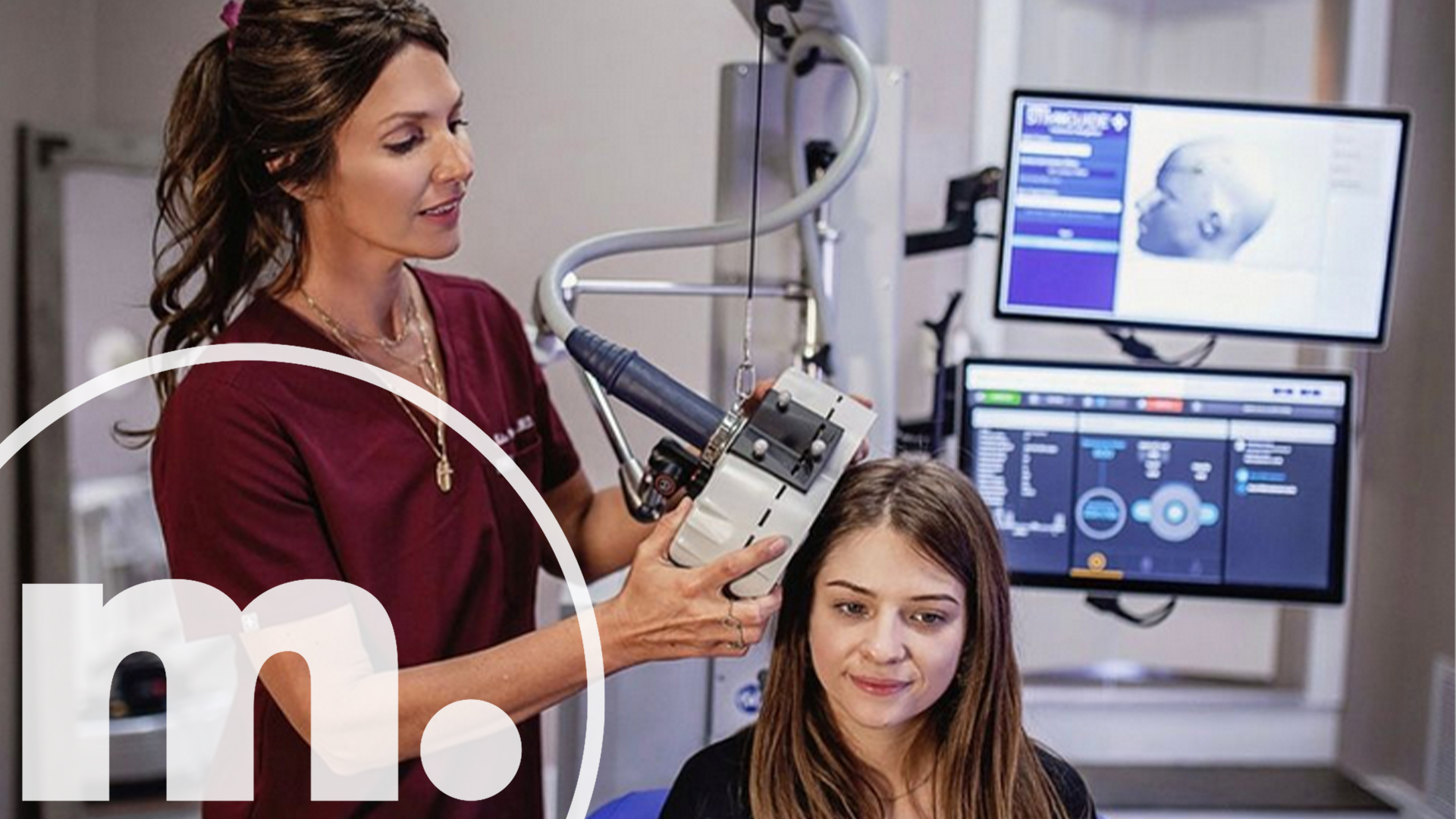
The recent Magstim Adolescent TMS Webinar was more than a clinical discussion—it was a powerful reminder of why this work matters.
Hearing directly from clinicians treating adolescent patients brought the science to life. Beyond protocols and practice logistics, what stood out most were the real-life stories: adolescents re-engaging with school, reconnecting with friends and family, and rediscovering a sense of normalcy after struggling with depression.
These are the moments that define progress in mental health care.
Real-World Insights from Clinical Leaders
This peer-led session featured practical, experience-driven guidance from two leaders in the field:
Nadia Bening, MD
Board-certified psychiatrist and founder of Texas Hill Country TMS, Dr. Bening shared her experience treating adolescent patients across multiple TMS locations. Her perspective highlighted both the clinical impact and the operational considerations of building a successful adolescent TMS program.
“TMS is truly a transformative treatment, and we have had great patient outcomes.”
John Cavanagh
Executive leader at Restore Brain, John provided valuable insights into treatment strategies, patient pathways, and insurance considerations. His work across multi-state neuromodulation practices underscores the growing demand for scalable, accessible brain health solutions.
Why Adolescent TMS Is Gaining Momentum
The conversation made one thing clear: adolescent TMS is no longer a future consideration—it’s happening now.
- Growing clinical adoption across psychiatric practices
- Increasing awareness among providers and families
- Expanded insurance coverage supporting access
- FDA clearance for adolescent MDD (ages 15–21) with Magstim systems
With these factors aligning, more practices are evaluating how to bring TMS into their care models for younger patients.
The Bigger Picture: Reconnecting Adolescents with Life
What made this webinar especially impactful wasn’t just the data—it was the human outcomes.
Clinicians shared stories of adolescents who:
Returned to school after prolonged absence
Re-engaged socially after isolation
Found relief where other treatments had fallen short
These outcomes reflect a broader shift in how we approach adolescent mental health—toward more personalized, evidence-based, and accessible care.
Adolescent TMS Is Expanding. Is Your Practice Ready?
Whether you’re actively exploring TMS or preparing to implement a program, this webinar offers practical, real-world guidance to help you take the next step.
Click here to watch the full webinar recording
Magstim Adolescent TMS Webinar Recording: Treatment and Clinical Practice Insights
https://www.youtube.com/watch?v=fzMAeBdt134
Thank you to everyone who joined the session—and to those continuing to explore new ways to improve patient care.
A Milestone in Mental Health Care
Magstim Horizon Inspire and Horizon 3.0 TMS systems are FDA-cleared for the treatment of Major Depressive Disorder (MDD) in adolescent patients (ages 15–21). This milestone represents a meaningful step forward—offering a non-invasive, non-pharmacological option for patients who need alternatives.
Combined with over 30 years of neuromodulation experience and 20,000+ research citations, Magstim continues to play a role in advancing evidence-based treatment.
To learn more, visit www.magstim.com or email marketing@magstim.com to request additional information, arrange a demonstration or receive a system quote.