


Ready. Set. Go. Magstim TMS Heads to Psych Congress 2026
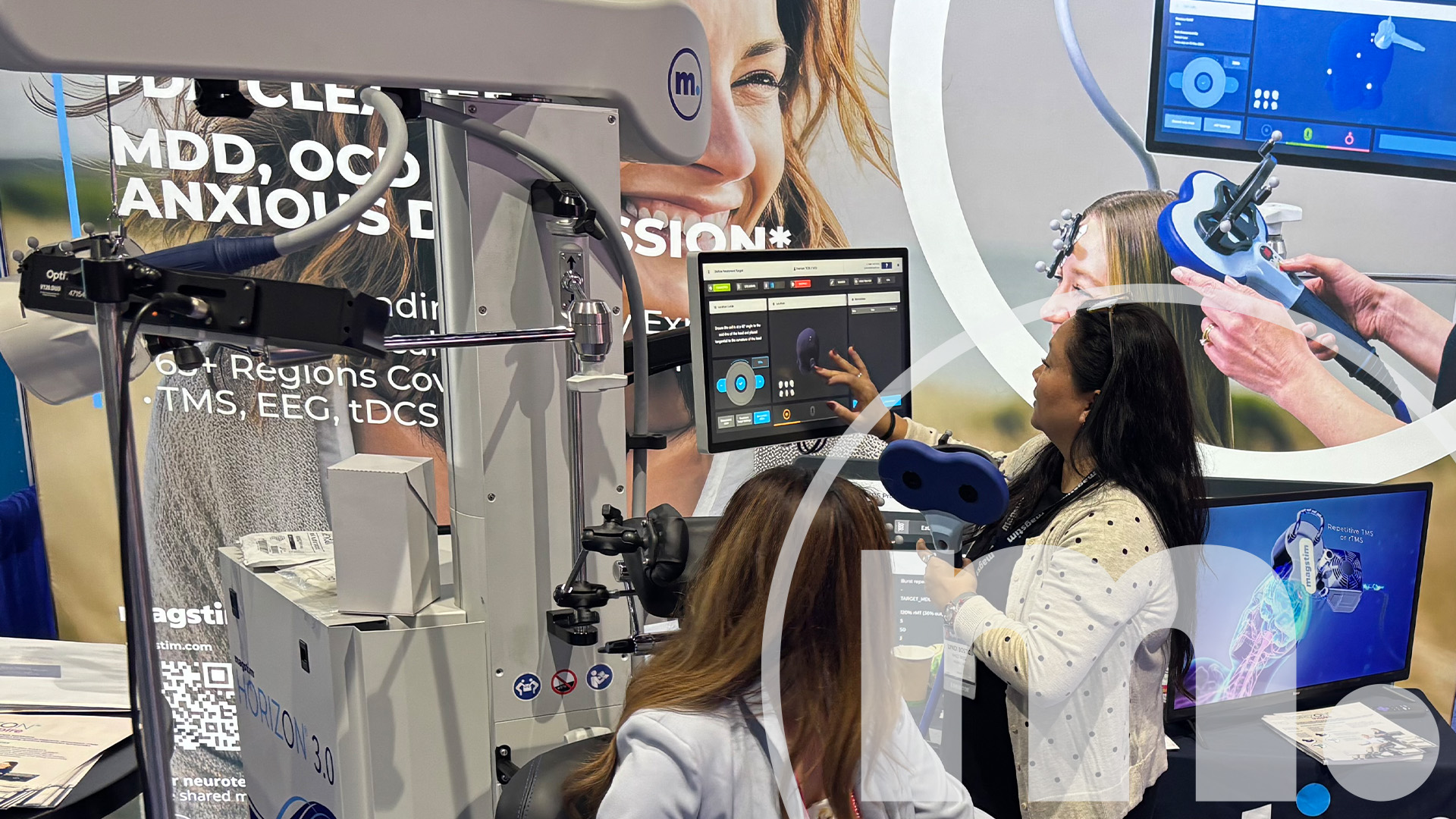
Expanding Treatment for MDD, OCD, Anxious Depression and Adolescent MDD
September 15–19, 2026, New Orleans, Louisiana, USA
Mental health remains a significant healthcare challenge across the United States. According to the 2025 National Survey on Drug Use and Health (NSDUH), released by SAMHSA in July 2026, 54.6 million U.S. adults (about 1 in 5) experienced a mental illness in the past year. Nearly 19.7 million adults experienced a major depressive episode (MDE).1
Behind those numbers are millions of people and families navigating mental health conditions and looking for effective treatment options. As the conversation around mental healthcare expands beyond any single treatment approach, interest continues in how pharmacological, behavioral and non-pharmacological therapies such as Transcranial Magnetic Stimulation (TMS) can fit into the continuum of care.
The Magstim team will join psychiatrists, nurse practitioners, physician associates, psychologists and other mental health professionals at Psych Congress 2026 in New Orleans, September 15–19, to share education and engage in conversations about the evolving role of TMS in mental healthcare.
Now in its 39th year, Psych Congress brings the mental health community together around practical, evidence-based approaches to patient care. While psychopharmacology remains central to the meeting, this year’s agenda reflects a broader conversation taking place across psychiatry: How should pharmacological and non-pharmacological treatments work together to give clinicians and patients more options?
Patients and providers are increasingly turning to Transcranial Magnetic Stimulation (TMS).
The Need for More Mental Health Treatment Options
According to SAMHSA's 2024 National Survey on Drug Use and Health, 61.5 million U.S. adults experienced any mental illness during the previous year, while 21.4 million adults experienced a major depressive episode. Among adolescents ages 12–17, approximately 3.8 million experienced a major depressive episode.2
For clinicians, these numbers reinforce the importance of continuing to evaluate different evidence-based approaches to care—from medications and psychotherapy to neuromodulation.
That is exactly why Magstim is coming to Psych Congress.
“Psych Congress gives us an opportunity to connect with clinicians who are on the front lines of mental healthcare to learn about patients they are seeing, the challenges they face and how treatments such as TMS can fit into the broader course of care,” said Lyndi Bostic of Magstim. “We want to listen, educate and help clinicians understand the options available to them and their patients.”
TMS Takes a Bigger Place in the Psychiatry Conversation
The Psych Congress 2026 agenda itself demonstrate how the conversation is changing.
The program includes “Latest Discoveries & Emerging Trends in MDD,” examining both pharmacologic and non-pharmacologic interventions, as well as “Neuromodulation for Depression: Matching the Right Treatment to the Right Patient.”
That neuromodulation session will examine TMS alongside ECT, VNS, theta-burst stimulation and accelerated protocols, with an emphasis on how these approaches can be integrated into treatment plans based on diagnosis, comorbidity and stage of illness.
For Magstim, this is an important conversation.
Magstim Horizon clinical TMS systems provide practices with one platform for multiple FDA-cleared indications, including MDD, OCD, decreasing anxiety symptoms in adult patients with MDD—often referred to as Anxious Depression—and adjunctive treatment of MDD in adolescents ages 15–21.
The Horizon 3.0 platform was also the first Magstim system to support these four indications using a single treatment coil, eliminating the need to change treatment coils between these indications. For practices, that can mean a more streamlined approach to incorporating TMS into the continuum of mental healthcare.
Access to TMS Is Expanding
Major U.S. insurers have now expanded coverage policies that may provide access to TMS for eligible adolescent patients with MDD, including plans from Optum, Aetna, Cigna, Humana and TRICARE. Coverage varies by plan and providers should always verify individual benefits and prior-authorization requirements and reimbursement.
It means more clinicians may have an opportunity to discuss TMS as part of the treatment pathway for appropriate patients and families may have access to a non-invasive treatment option.
From Treatment to Understanding the Brain
Psych Congress is also an important destination for conversations about the future of mental healthcare. Drug development and neuroscience increasingly depend on understanding not only whether an intervention produces a clinical effect, but what is happening within the brain.
Magstim and EGI technologies span both sides of that equation.
Magstim TMS technology enables researchers to non-invasively stimulate targeted areas of the brain, while EGI High Density EEG technology can record electrical brain activity with up to 256 EEG channels. EGI's EEG platforms also support simultaneous EEG-TMS research, creating opportunities to investigate brain responses to precisely timed stimulation.
These capabilities are relevant to neuroscience research and can also support the broader research ecosystem surrounding the development and evaluation of future therapies.
Pharmacology, neuromodulation and neurophysiology do not have to exist in separate conversations.
Meet the Magstim Team in New Orleans
The Magstim team will be exhibiting throughout Psych Congress and welcomes clinicians interested in learning more about TMS, discussing their current treatment programs or exploring how neuromodulation could fit into their practice. Lyndi Bostic will be joined by Nic Hubacz, who works closely with TMS practices and clinicians and has built an extensive professional network focused on mental health and neuromodulation. Mark Sejvar, Global Marketing Communications Manager for Magstim, will also be onsite, meeting clinicians and capturing conversations, perspectives and stories from the mental health community throughout the event.
Because the future of mental healthcare will not be defined by a single treatment modality. It will be shaped by giving clinicians the evidence, technologies and treatment options they need to make informed decisions for each patient.
Join Magstim at Psych Congress 2026
September 15–19, 2026 New Orleans Ernest N. Morial Convention Center New Orleans, Louisiana
Come meet the Magstim team and explore the latest developments in TMS for MDD, OCD, Anxious Depression and Adolescent MDD.
For more than three decades, Magstim EGI has helped researchers explore the brain. Today, we're helping define what's next.
To learn more, visit www.magstim.com or email marketing@magstim.com to request additional information, arrange a demonstration or receive a system quote.